May Is a Good Time to Check In on Your Heart Health
May is recognized as High Blood Pressure Education Month, making it a meaningful time to pause and ask an important question: do you know your blood pressure numbers?
High blood pressure, also called hypertension, is often described as a “silent” condition because many people do not feel obvious symptoms. Yet when blood pressure stays high over time, it can increase the risk of serious health problems, including heart disease, stroke, kidney disease, and other complications. The National Heart, Lung, and Blood Institute notes that high blood pressure is a major risk factor for heart disease and that many people who have it may not know it.
The good news is that small, consistent lifestyle habits can support healthier blood pressure and overall wellness. You do not have to overhaul your life overnight. A few intentional changes can help you become more aware of your numbers and take better care of your body.
What Do Blood Pressure Numbers Mean?
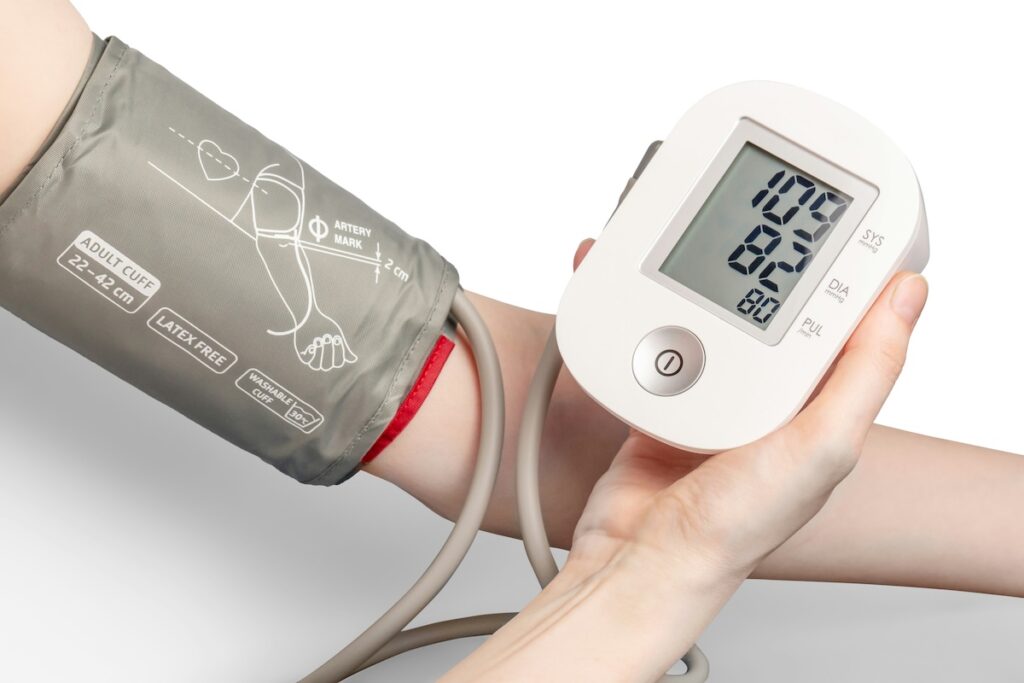
Blood pressure is measured using two numbers. The top number, called systolic pressure, measures the pressure in your arteries when your heart beats. The bottom number, called diastolic pressure, measures the pressure in your arteries when your heart rests between beats.
According to the Centers for Disease Control and Prevention (CDC), blood pressure changes throughout the day based on activity, stress, sleep, and other factors. A diagnosis of high blood pressure is usually based on blood pressure that is consistently above normal, not just one reading.
This is why regular monitoring matters. A single reading can be helpful, but a pattern of readings gives your healthcare provider a clearer picture of what is happening.
Why Blood Pressure Health Matters as We Age
Blood pressure can become more difficult to manage with age. The National Institute on Aging explains that blood vessels can become stiffer over time, which can cause blood pressure to rise even in people who follow healthy habits and feel well.
Because high blood pressure may not cause noticeable symptoms, routine checkups are important. Knowing your numbers allows you and your healthcare provider to discuss whether your blood pressure is in a healthy range and whether lifestyle changes, monitoring, or medication may be needed.
Simple Habits That Support Blood Pressure Health
1. Move Your Body Regularly
Physical activity is one of the most practical ways to support heart and blood pressure health. The CDC recommends that adults aim for at least 150 minutes of moderate-intensity physical activity each week, such as brisk walking or bicycling. That can break down to about 30 minutes a day, five days a week.
You do not need an intense workout routine to benefit. Walking after dinner, taking the stairs, stretching during screen breaks, or doing light resistance exercises at home can all help you build consistency.
2. Watch Sodium Intake
Many people think of salt only as what they add at the table, but sodium is often found in packaged foods, restaurant meals, soups, deli meats, sauces, and snacks. Reducing sodium can be an important part of managing blood pressure.
A helpful place to start is reading nutrition labels and choosing lower-sodium options when possible. Cooking more meals at home can also give you more control over how much salt is added.
3. Build a Heart-Healthy Plate
A heart-supportive eating pattern usually includes more fruits, vegetables, whole grains, beans, nuts, seeds, lean proteins, and low-fat or nonfat dairy. The American Heart Association highlights healthy eating patterns, sodium reduction, physical activity, weight management, stress management, and limiting alcohol as lifestyle strategies that can help manage blood pressure.
Instead of focusing on restriction, think about what you can add: an extra vegetable at lunch, fruit as a snack, beans in a soup, or a simple salad with dinner.
4. Manage Stress in Small Daily Moments
Stress does not only affect your mood. It can also affect your body. While stress is not the only factor involved in blood pressure, learning how to calm your nervous system can support your overall wellness.
Try simple techniques such as slow breathing, a short walk outside, gentle stretching, prayer or meditation, journaling, or taking a few minutes away from screens. These small pauses can help your body shift out of “go mode” and into a calmer state.
5. Monitor Your Blood Pressure
Blood pressure can be checked at a doctor’s office, some pharmacies, community health events, or at home with a blood pressure monitor. The CDC notes that regularly monitoring blood pressure, with support from a healthcare team, can help lower the risk for heart disease and stroke.
If you check your blood pressure at home, ask your healthcare provider how often to measure it, what numbers to watch for, and how to record your readings. Bring your log to appointments so your provider can review trends with you.
When to Talk to Your Doctor
You should talk to your healthcare provider if your readings are repeatedly higher than recommended, if you have a family history of high blood pressure or heart disease, or if you have other conditions such as diabetes, kidney disease, or high cholesterol.
You should also ask your provider before making major changes to your diet, exercise routine, supplements, or medications. Blood pressure care is not one-size-fits-all, and your personal health history matters.
A May Wellness Goal: Know Your Numbers
This May, choose one simple step toward better blood pressure health. Schedule a checkup, take a few blood pressure readings, go for a daily walk, prepare one heart-healthy meal, or reduce sodium in one part of your routine.
Small steps matter because they create awareness. And awareness is often the first step toward prevention, better care, and long-term wellness.
For more support with your health, visit Dr. Reyes’ contact page to request an appointment or ask questions about your care: https://www.rreyesmd.com/contact-us/