
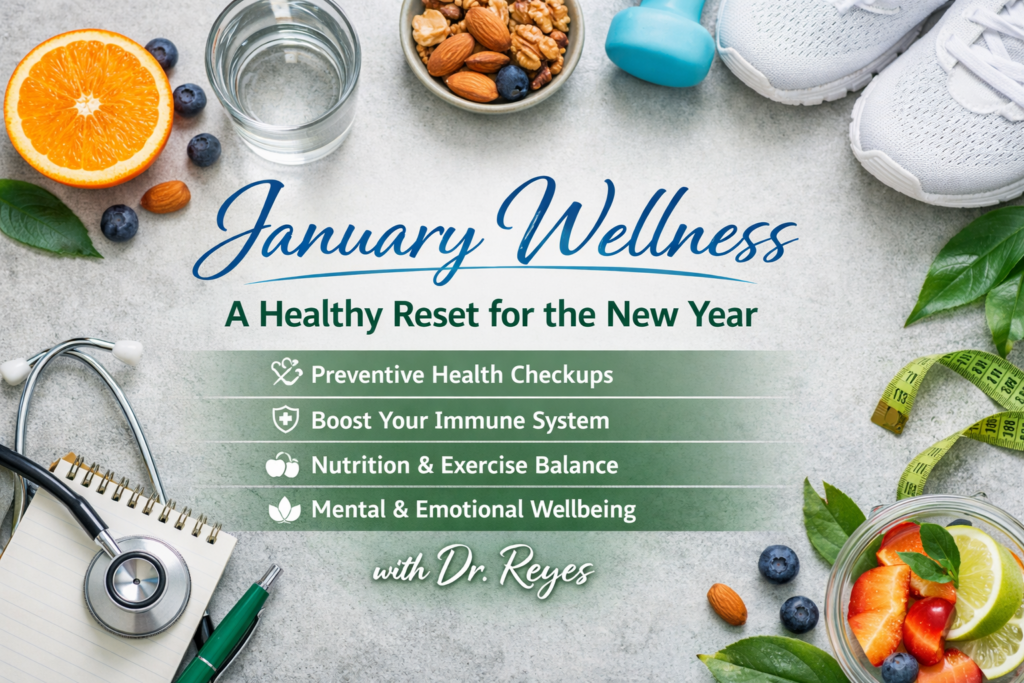
The new year often comes with pressure to overhaul your life overnight. But lasting wellness doesn’t come from extreme resolutions — it comes from intentional, sustainable habits that support your body and mind.
January is an ideal time to pause, reset after the holidays, and refocus on preventive health so you can feel your best throughout the year.
1. Make Preventive Care a Priority
The start of the year is one of the most important times to schedule preventive healthcare visits. Annual physicals and routine lab work help identify potential concerns early — often before symptoms develop.
Preventive care allows us to:
-
Establish a clear health baseline
-
Identify nutrient deficiencies or metabolic changes
-
Monitor blood pressure, cholesterol, and blood sugar
-
Create personalized health plans instead of reactive care
A proactive approach in January sets the tone for healthier decision-making all year long.
2. Strengthen Your Immune System After the Holidays
The holiday season can be tough on the immune system due to stress, travel, disrupted sleep, and dietary changes. Winter is the perfect time to reinforce immune health.
Simple, effective immune-supporting habits include:
-
Getting consistent, quality sleep
-
Staying properly hydrated
-
Eating nutrient-dense whole foods
-
Managing stress levels
-
Staying current on recommended vaccinations
Strong immunity isn’t built overnight — it’s the result of consistent daily care.
3. Reset Nutrition Without Extreme Dieting
Rather than restrictive diets, January is an opportunity to return to balance. Sustainable nutrition focuses on nourishment, not deprivation.
Helpful nutrition resets include:
-
Increasing vegetables, fruits, lean proteins, and fiber
-
Reducing excess sugar and highly processed foods
-
Eating regular meals to stabilize energy and focus
-
Practicing mindful portion control without guilt
Healthy nutrition should support your lifestyle — not disrupt it.
4. Rebuild Consistent Movement
You don’t need an aggressive fitness plan to see health benefits. Moderate, regular movement improves cardiovascular health, mood, metabolism, and sleep quality.
Start with what’s realistic:
-
Daily walks
-
Stretching or mobility exercises
-
Light strength training
-
Activities you enjoy and can maintain
Consistency matters far more than intensity.
5. Prioritize Mental and Emotional Wellness
Mental health is a critical part of overall wellness, especially at the beginning of the year when expectations and stress can increase.
January is a good time to:
-
Re-establish healthy routines
-
Reduce unnecessary screen time
-
Practice mindfulness or relaxation techniques
-
Seek support when needed
A healthy mind supports a healthy body — and vice versa.
A Gentle Reminder: Progress Over Perfection
January wellness is not about being perfect. It’s about awareness, prevention, and steady progress. Small, thoughtful changes made now can have a meaningful impact on your health throughout the year.
Soft Call to Action (Patient-Friendly)
If you’re unsure where to begin, a personalized conversation can help clarify your health goals and identify practical next steps. Preventive care and early guidance can make a significant difference long term.
— Dr. Reyes
FAQ Section (Answer Engine Optimized)
Why is January a good time for preventive care?
January is ideal because it allows patients to establish health baselines early in the year and address potential issues before symptoms appear.
Do I need an annual checkup if I feel fine?
Yes. Many health conditions develop silently. Preventive visits help detect concerns early, when they are easier to manage.
What’s the best way to reset health habits after the holidays?
Focus on sleep, nutrition, hydration, movement, and stress management — not extreme changes.